Posts

Understanding the Psychological Profile of White-Collar Criminals

Image
  White-collar crime refers to financially motivated, non-violent crime committed by individuals, businesses, or government officials. Understanding the psychological profile of white-collar criminals can help us grasp why they commit these crimes and how they justify their actions.   Who Are White-Collar Criminals? White-collar criminals are usually educated, hold respectable jobs, and often have higher social status. They are different from other criminals who might commit violent crimes or theft out of desperation. Instead, white-collar criminals commit fraud, embezzlement, or insider trading, often within the companies they work for. Common Traits of White-Collar Criminals 1. Rationalization : Many white-collar criminals convince themselves that their actions are not really wrong. They might think, “Everyone else is doing it” or “I deserve this for all my hard work.” This helps them feel better about breaking the law. 2. Greed and Ambition : A strong desire fo...
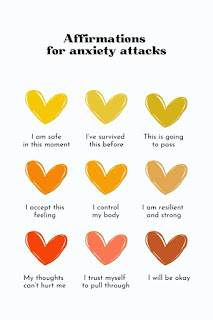
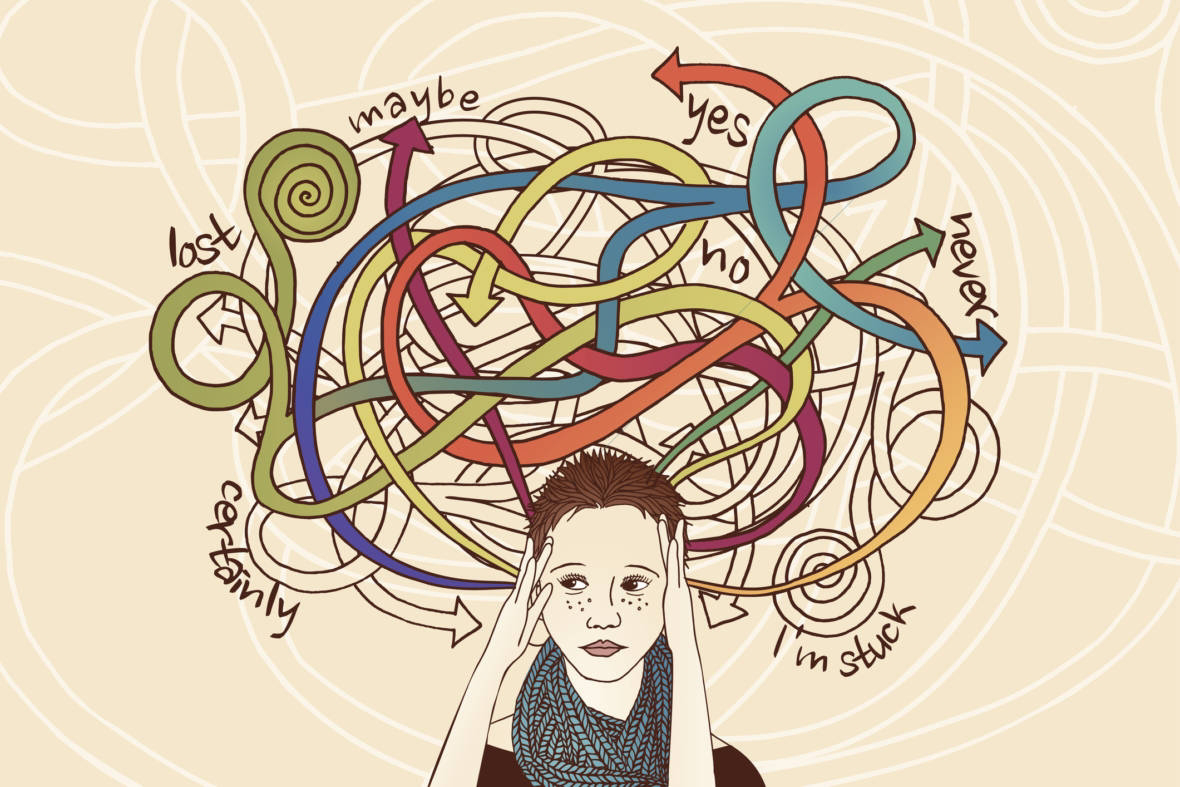
How can meditation help with anxiety- a small guide.

Image
How can meditation help with anxiety? Anxiety is body's way of telling, “hey ! You are putting Too much stress on the body”  When was the last time you felt anxiety? Probably few hours ago. It is not restricted to any age group, Ranging from students to elders, it is very common.  But as common as anxiety disorders are, more than 60% don’t receive treatment to help manage their symptoms. So how can we do it ourselves? Meditation is the answer Meditation is one of many approaches that can significantly help improve mental health conditions like anxiety.  Some research has even suggested that meditation may be as effective as medication for managing long-term anxiety symptoms in some people. Ways to apply meditation in real life: - Mindfulness meditation   Mindfulness meditation is about learning to focus on the present moment with an attitude of non-judgmental. It can be simply watching an ant carry its daily share of bread. Body Scan Meditation  This t...

Overcoming Self-Doubt and Embracing Self-Compassion

Image
Self-doubt is a common struggle that can hinder personal growth and success. It manifests as a lack of confidence in one's abilities and decisions, often leading to feelings of inadequacy and anxiety. However, by cultivating self-compassion, individuals can mitigate the effects of self-doubt and foster a healthier, more positive self-view. This article explores practical strategies for overcoming self-doubt and nurturing self-compassion. Understanding Self-Doubt Self-doubt is a mental habit characterized by questioning one's own abilities, decisions, and worth. It can stem from various sources, including past failures, negative feedback, and unrealistic societal expectations. Common symptoms include: Procrastination due to fear of failure Overthinking and second-guessing decisions Comparing oneself unfavorably to others Difficulty accepting compliments or success The Power of Self-Compassion Self-compassion involves treating oneself with the same kindness and understanding as o...

exam stress? we got u !

Image
Exam season is a universally stressful time for students. Whether you're in high school, college, or medical school, the pressure to perform well can take a significant toll on your mental health. The weeks leading up to and during exams can be filled with anxiety, sleepless nights, and a sense of overwhelming dread. But why is this, and how can we manage it better? Understanding Exam Stress Exam stress is a form of academic stress that manifests emotionally, physically, and behaviorally. It can stem from several sources: ● Fear of Failure : The anxiety that poor results might impact future opportunities. ● Perfectionism : The desire to achieve perfect scores can lead to excessive studying and burnout. ● Pressure from Expectations: High expectations from oneself or others can add to the stress. ● Previous Negative Experiences: Past difficulties with exams can heighten current stress levels.  These stressors can lead to various symptoms, including mood swings, insomnia...

is mental disorder flowing in our bloodline?

Image
Have you ever wondered why certain mental health issues seem to run in families? It's a question I've pondered too, especially after seeing anxiety ripple through my own family tree. Mental health is complex. It's not just about genes, but they play a role. Think of it like baking a cake - genes are the ingredients, but life experiences are the mixing and baking process. Both matter. Some disorders have stronger genetic links than others. Depression and bipolar disorder often show up in multiple family members. But having a relative with a mental health issue doesn't mean you'll definitely have one too. It just means you might be more likely to. Our environment shapes us too. Growing up in a stressed household or learning unhealthy coping skills can affect our mental health. Sometimes, it's hard to tell if it's nature or nurture at play. Here's the good news: knowing your family history can be empowering. It allows you to be proactive ...

ways one can fix and better their mental health

Image
What is mental health? Our emotional, psychological, and social well-being are all parts of our mental health. It influences our thoughts, emotions, and behaviors as we manage life. It also influences how we respond to stress, interact with people, and make decisions. Every stage of life—from childhood and adolescence to adulthood and aging—sees the importance of mental health.   Why is mental health important? Mental health is important because it can help you to: Cope with the stresses of life Be physically healthy Have good relationships Make meaningful contributions to your community Work productively Realize your full potential   How can one fix and better their mental health ? Improving and maintaining good mental health involves a combination of strategies that can be tailored to individual needs and preferences. Some effective ways to enhance mental well-being are: · Seeking Professional Support: Consulting a therapist, counselor, or psychiatrist can ...

Breaking the Silence: Gender Roles and Mental Health

Image
Picture source - Pinterest Mental health is a crucial yet often overlooked aspect of overall well-being. One significant barrier to addressing mental health issues effectively is the influence of gender roles. These societal norms dictate how individuals should behave based on their gender, impacting their mental health experiences and how they seek help. Let's explore how gender roles shape our approach to mental health and the importance of breaking these stereotypes. Men and Mental Health: Breaking the Stoic Mold For men, traditional gender roles emphasize strength, stoicism, and self-reliance. From a young age, boys are often taught to "man up" and suppress their emotions. This societal pressure can lead to several mental health  challenges: Emotional Suppression: Men may feel that expressing vulnerability or seeking help is a sign of weakness, leading to bottled-up emotions and increased stress. Reluctance to Seek Help: The fear of being judged or seen as...